Tina Russell · 17 October 2026
Tree Ring Analysis Uncovers Long-Term Climate Resilience in Elevated Oak Populations
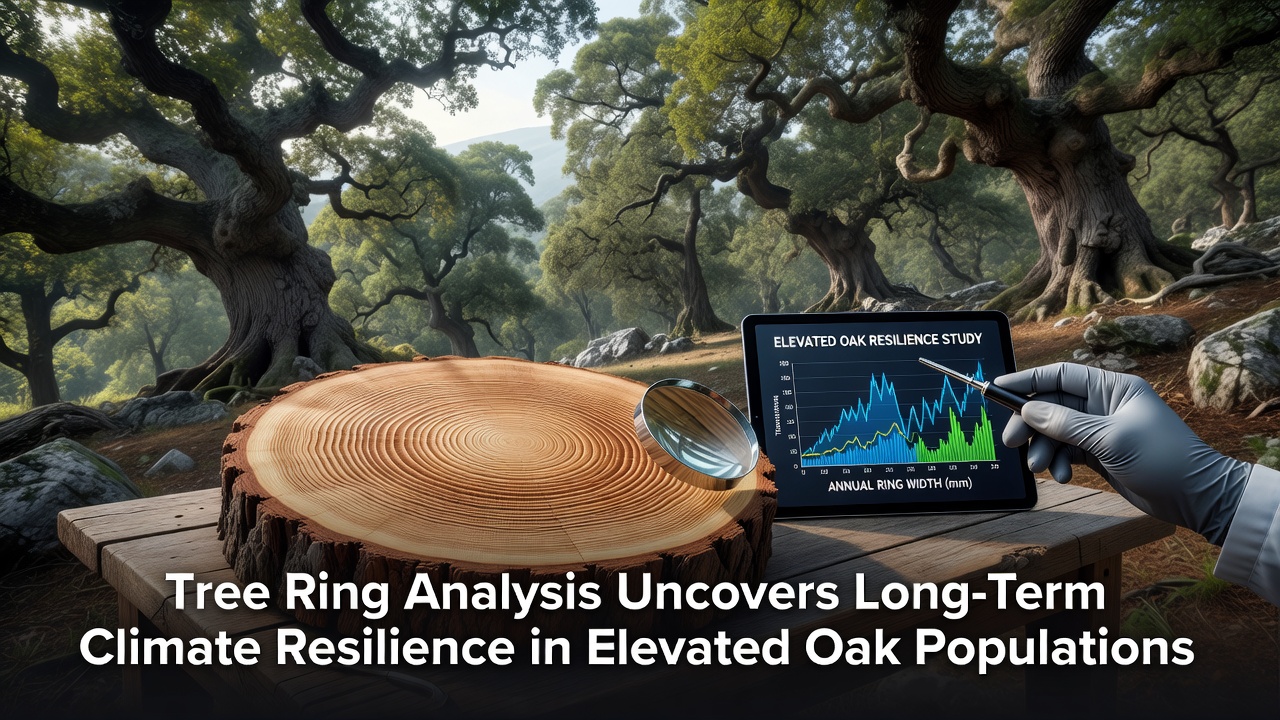
Tree ring analysis has emerged as a precise method for documenting how oak populations at higher elevations have responded to centuries of climate variation, and researchers continue to extract detailed records from these samples across multiple mountain ranges. Dendrochronology relies on the annual growth layers that form in tree trunks, where ring width directly reflects water availability, temperature shifts, and other environmental pressures during each growing season. Scientists collect cores from living oaks and preserved wood at sites above 1,500 meters, then measure and cross-date the sequences to build chronologies spanning 300 to 800 years in many cases. This approach reveals that elevated oak stands maintained consistent growth patterns even during documented periods of prolonged drought and temperature extremes in the past.
Core Methods Behind the Analysis
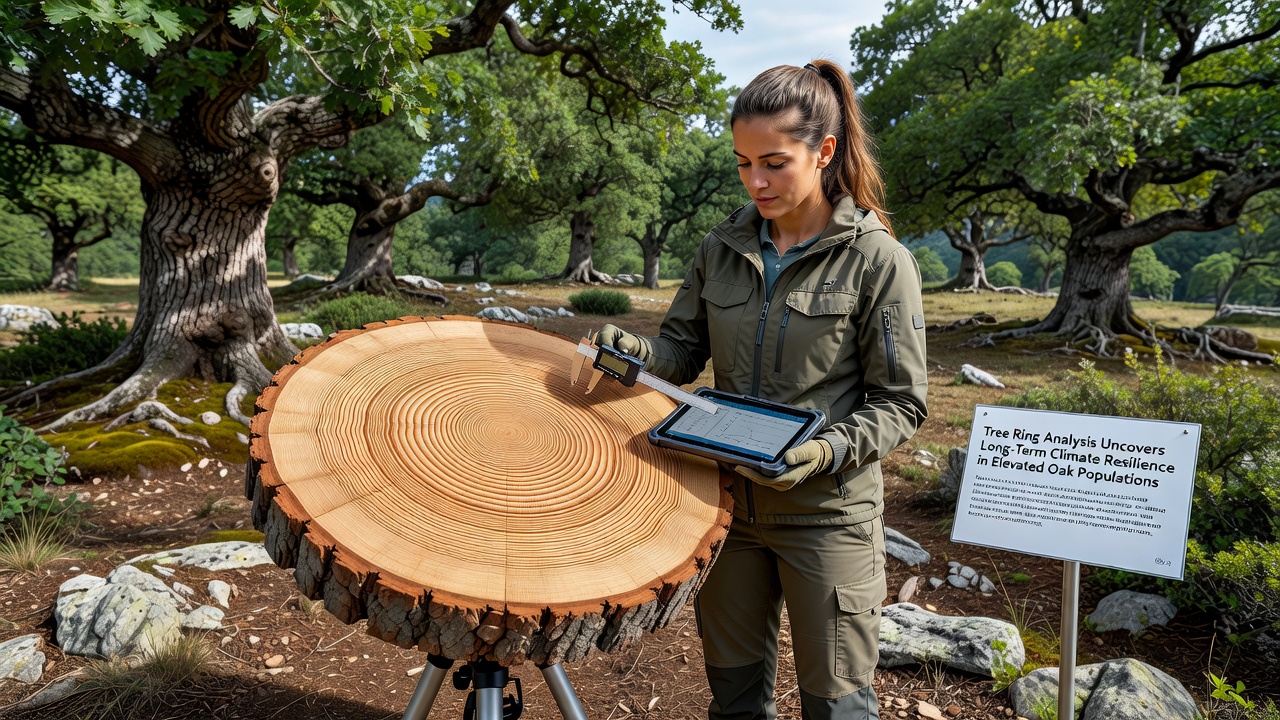
Teams extract increment cores at breast height from mature Quercus species, then polish the samples and scan them at high resolution to record ring boundaries with sub-millimeter accuracy. Cross-dating aligns patterns across multiple trees from the same stand so that missing or false rings can be identified and corrected, while statistical tests confirm the reliability of each chronology. Once dated, researchers compare ring-width indices against instrumental climate data from nearby stations and reconstructed paleoclimate series to quantify how growth responded to specific conditions. In October 2026, several long-term monitoring networks released updated datasets that extended these chronologies by another decade and strengthened correlations with summer precipitation totals at elevation.
Patterns Observed in Elevated Stands
Data from sites in the western United States and central European ranges show that oaks above the typical lowland distribution limits produced narrower rings during multi-year dry spells yet recovered rapidly when moisture returned, indicating an ability to endure short-term stress without long-term decline. Growth releases following disturbance events appear more pronounced at higher elevations, suggesting that reduced competition from other species allows surviving oaks to capitalize on improved conditions. Stable carbon isotope ratios measured in the same rings further indicate that these populations maintained efficient water-use strategies during warmer decades, a trait that persisted across generations of trees. Observers note that such physiological flexibility appears more common in stands that experienced repeated exposure to climatic extremes over the last four centuries.
Comparisons between elevation gradients reveal that lower-slope oaks display greater sensitivity to single-year droughts, whereas higher populations exhibit more buffered responses that average out over several seasons. This difference may stem from deeper root systems or microclimate effects that moderate temperature swings at altitude. Studies conducted by research groups affiliated with the U.S. Forest Service and parallel efforts through the European Environment Agency have documented parallel trends, reinforcing the observation that elevation itself correlates with greater long-term stability in growth records.
Broader Implications for Forest Monitoring
Because tree-ring chronologies extend well before the start of modern weather records, they supply baseline information against which current growth can be compared, allowing managers to identify whether recent changes fall within historical ranges or represent new conditions. Continued sampling in additional mountain regions will help determine whether the resilience patterns observed so far hold across different oak species and soil types. Integration of ring data with remote-sensing imagery now permits mapping of stand-level responses over larger areas, while genetic sampling of the same trees begins to link growth traits to specific lineages. These combined datasets support the development of models that project how elevated oak populations may fare under continued warming scenarios.
Conclusion
Tree ring analysis continues to demonstrate that elevated oak populations have withstood repeated climate fluctuations over centuries while maintaining viable growth rates, and the expanding network of chronologies provides concrete evidence of this resilience. As new samples and analytical techniques become available, the record of past performance will remain a key reference for understanding how these stands may respond to ongoing environmental shifts.